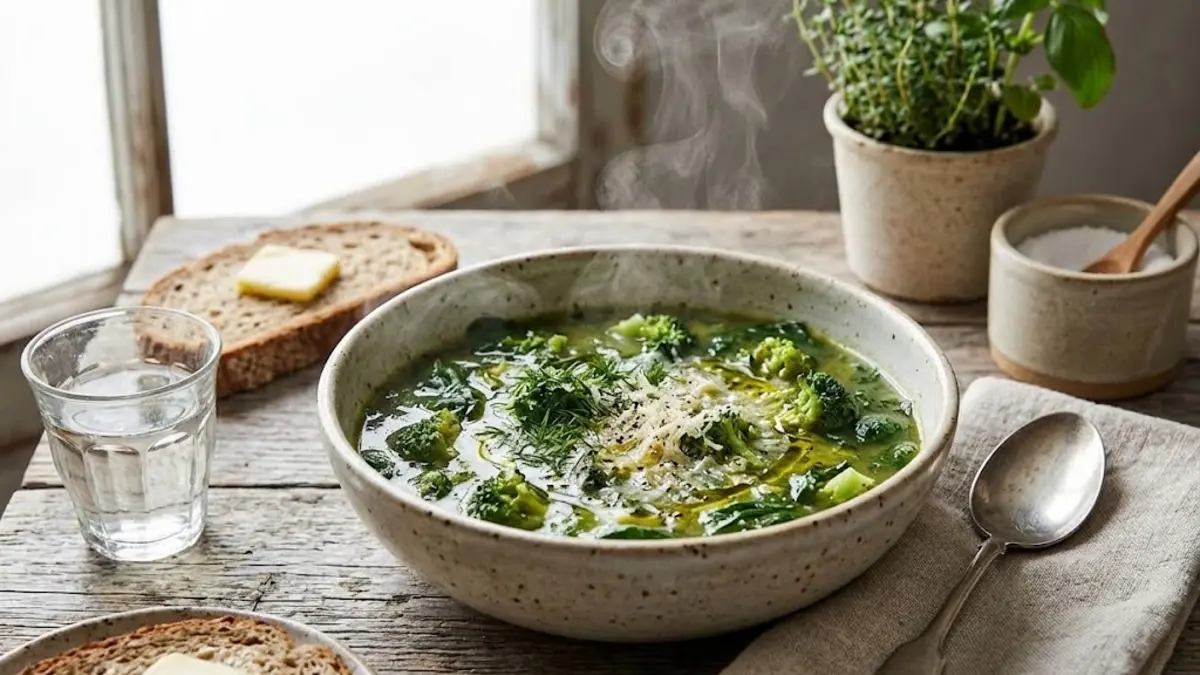
12 Diabetes-Friendly Soup Recipes: Low-Carb, High-Fiber and Easy
By Smith Lina, RD, CDCES · Medically reviewed by Dr. Emily Carter, MD, Board-Certified Endocrinologist · Last updated October 16, 2026
Soup can be one of the easiest ways to fit more vegetables into a day, and vegetables are the foundation of diabetes meal planning. The catch is that many canned and restaurant soups lean on starchy thickeners, added sugar and a lot of sodium. The twelve soups below are built differently: lots of non-starchy vegetables, a solid serving of protein, and carbohydrate foods kept to a measured portion.
Every recipe serves four, uses ordinary ingredients, and fits a weeknight. Pick the ones that suit your taste, and use the planning tips and food-safety notes after the recipes to make a batch last all week.
Quick answer: A diabetes-friendly soup is one where non-starchy vegetables make up most of the bowl, protein is included, and any beans, lentils, potatoes or pasta are counted as your carbohydrate portion. Check your own carb targets with your care team, because needs differ from person to person.
What makes a soup diabetes-friendly?
The American Diabetes Association’s Diabetes Plate Method gives a simple template: on a 9-inch plate, fill half with non-starchy vegetables, one quarter with protein, and one quarter with carbohydrate foods [1][2]. A bowl of soup can follow the same logic.
- Start with non-starchy vegetables. Broccoli, cauliflower, spinach, kale, zucchini, mushrooms, cabbage, tomatoes and onions add volume and fiber with little effect on blood glucose [2].
- Add protein. Chicken, turkey, fish, eggs, tofu and Greek yogurt keep the soup filling.
- Count your carbohydrates. The ADA lists beans, lentils and starchy vegetables such as potatoes, corn, peas and butternut squash as carbohydrate foods, so they need a measured portion rather than a free pour [2][3].
- Skip the hidden sugar and excess salt. Choose unsweetened bases, check the label on broth and canned tomatoes, and use herbs, citrus, garlic and spices for flavor.
Soups also pair well with the rest of the plate. For a fuller approach, see our diabetes meal plans and beginner guides.
The 12 soups
All recipes serve 4. Nutrition per serving is shown as a field to complete from your own calculation.
1. Lemon Chicken and Spinach Soup
Time: 30 minutes · Nutrition per serving: 210 calories / 6g net carbs / 3g fiber / 24g protein / 420mg sodium.
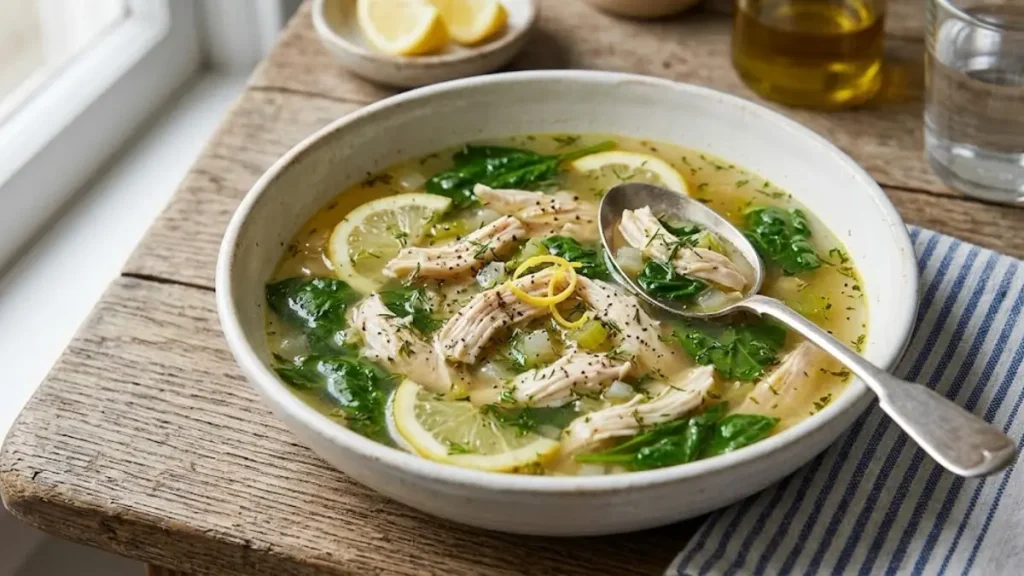
Ingredients: 1 tbsp olive oil, 1 diced onion, 2 diced celery stalks, 2 garlic cloves, 4 cups low-sodium chicken broth, 300 g (about 10 oz) boneless chicken breast, 4 cups fresh spinach, juice of 1 lemon, black pepper, dill.
Method: Soften the onion and celery in oil for 5 minutes, add garlic for 30 seconds, then pour in the broth and add the chicken. Simmer 15 minutes until cooked through, shred the chicken, return it to the pot and stir in spinach, lemon juice and dill until wilted.
Tip: No noodles or rice needed. The chicken keeps it satisfying.
2. Red Lentil and Carrot Soup
Time: 35 minutes · Nutrition per serving: 240 calories / 32g net carbs / 8g fiber / 11g protein / 380mg sodium.
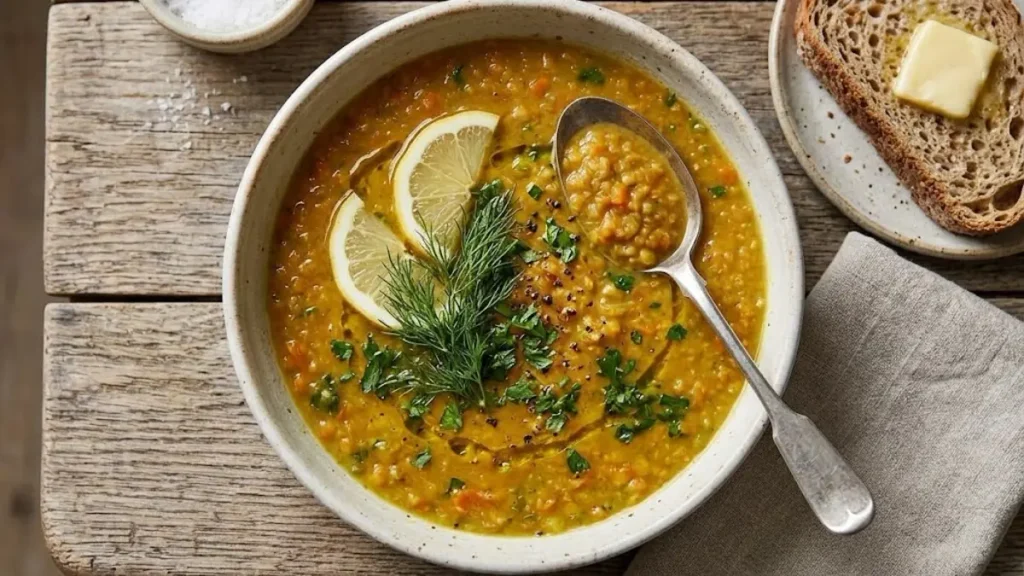
Ingredients: 1 tbsp olive oil, 1 onion, 2 carrots, 3 garlic cloves, 1 tsp cumin, ½ tsp turmeric, ¾ cup (150 g) dry red lentils, 5 cups low-sodium vegetable broth, lemon wedges.
Method: Cook the onion and carrots in oil for 6 minutes, add garlic and spices for 1 minute, then add lentils and broth. Simmer 20 to 25 minutes until the lentils collapse, and blend part of the soup for a thicker texture.
Tip: Lentils are a carbohydrate food, so keep to a measured bowl and add a side of protein or a handful of greens. Compare your blood sugar after meals to see how it works for you.
3. Creamy Cauliflower Soup (No Cream)
Time: 30 minutes · Nutrition per serving: 180 calories / 12g net carbs / 5g fiber / 7g protein / 350mg sodium.
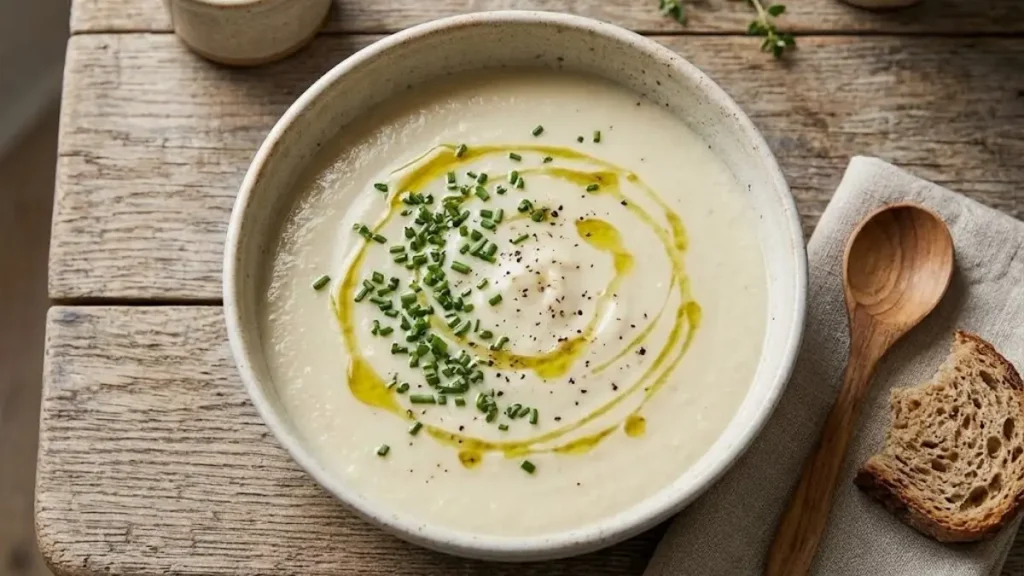
Ingredients: 1 head cauliflower in florets, 1 onion, 3 garlic cloves, 1 tbsp olive oil, 4 cups low-sodium broth, ½ cup unsweetened plain Greek yogurt or unsweetened milk, nutmeg, black pepper, chives.
Method: Sauté onion and garlic in oil, add cauliflower and broth, and simmer 15 minutes until tender. Blend until smooth, stir in the yogurt off the heat, and season.
Tip: Blended cauliflower gives the creaminess that potato or flour usually provides.
4. Kale and White Bean Soup
Time: 35 minutes · Nutrition per serving: 220 calories / 28g net carbs / 7g fiber / 12g protein / 340mg sodium.
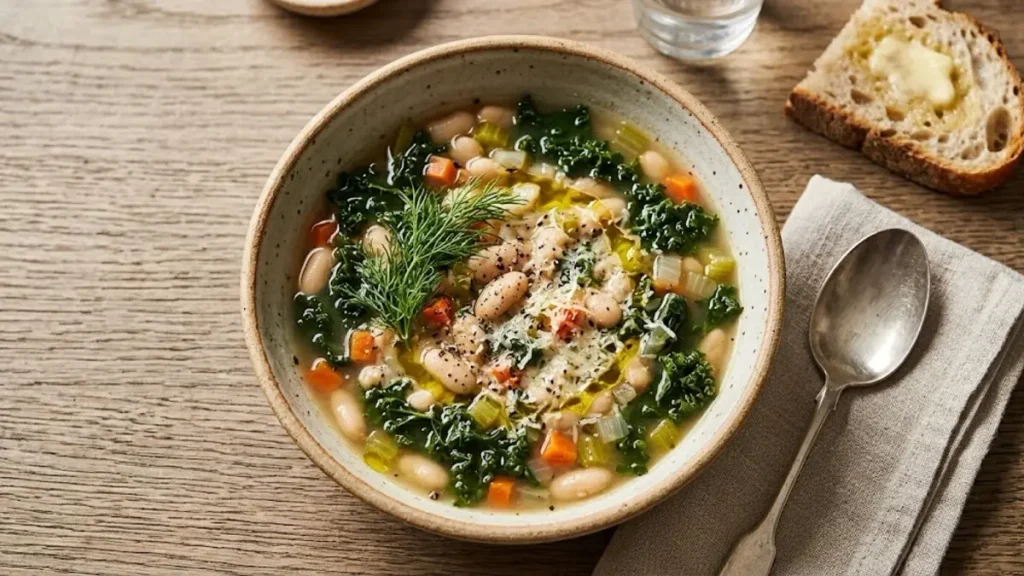
Ingredients: 1 tbsp olive oil, 1 onion, 2 carrots, 2 celery stalks, 3 garlic cloves, 4 cups low-sodium broth, 1 can (400 g) white beans, drained and rinsed, 1 bunch kale, thyme.
Method: Soften the vegetables, add broth and thyme, and simmer 15 minutes. Add the beans and kale and cook 8 to 10 minutes more.
Tip: Rinsing canned beans removes some of the added sodium. Full recipe and variations: Bean Soup with Kale.
5. Turkey and Zucchini Minestrone
Time: 40 minutes · Nutrition per serving: 230 calories / 15g net carbs / 5g fiber / 20g protein / 360mg sodium.
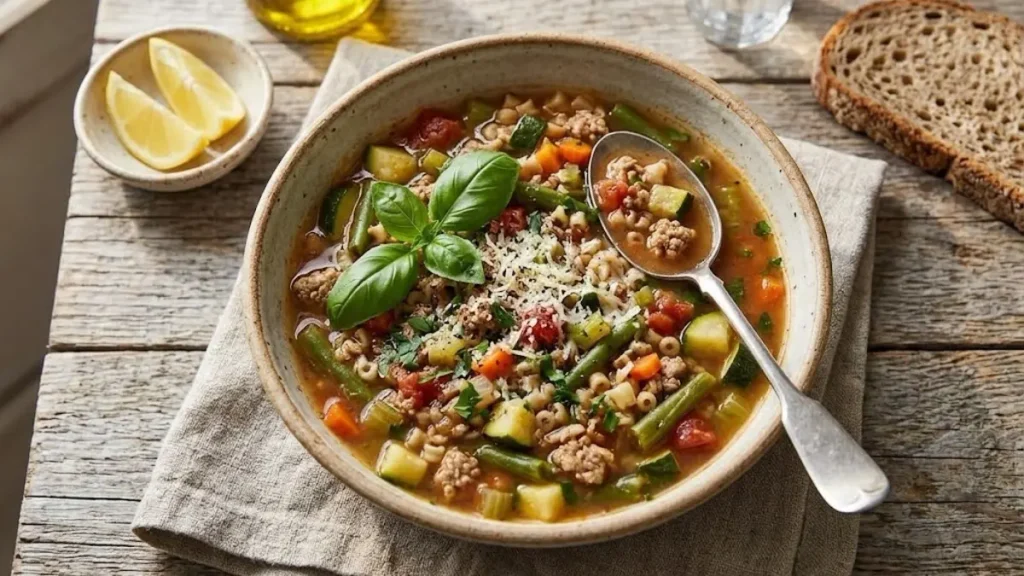
Ingredients: 250 g (about 9 oz) lean ground turkey, 1 tbsp olive oil, 1 onion, 2 zucchini, 1 cup green beans, 1 can (400 g) no-sugar-added diced tomatoes, 4 cups low-sodium broth, ½ cup (about 50 g) small whole-wheat pasta or none, Italian herbs.
Method: Brown the turkey in oil, add the onion and cook 4 minutes, then add vegetables, tomatoes, broth and herbs. Simmer 15 minutes, add the pasta if using, and cook until tender.
Tip: Measure the pasta. It is the main carbohydrate in this soup.
6. Egg Drop Soup with Mushrooms and Greens
Time: 15 minutes · Nutrition per serving: 140 calories / 4g net carbs / 2g fiber / 12g protein / 310mg sodium.

Ingredients: 4 cups low-sodium chicken broth, 200 g sliced mushrooms, 2 cups chopped bok choy or spinach, 1 tbsp grated ginger, 3 eggs beaten, 2 sliced scallions, 1 tsp sesame oil.
Method: Simmer broth, mushrooms and ginger for 6 minutes, add the greens for 2 minutes, then stir the soup in a slow circle while pouring in the eggs in a thin stream. Finish with scallions and sesame oil.
Tip: The fastest soup on the list, and easy to double the vegetables.
7. Miso Tofu and Bok Choy Soup
Time: 15 minutes · Nutrition per serving: 160 calories / 8g net carbs / 3g fiber / 10g protein / 520mg sodium.

Ingredients: 4 cups water or low-sodium broth, 3 tbsp white miso, 200 g firm tofu cubed, 3 baby bok choy sliced, 2 sliced scallions, a few shiitake mushrooms.
Method: Heat the water or broth with the mushrooms for 5 minutes. Add tofu and bok choy for 2 minutes, then turn off the heat and whisk in the miso. Do not boil after adding it.
Tip: Miso is salty, so taste before adding any other salt.
8. Roasted Tomato and Basil Soup
Time: 45 minutes · Nutrition per serving: 170 calories / 14g net carbs / 4g fiber / 4g protein / 320mg sodium.
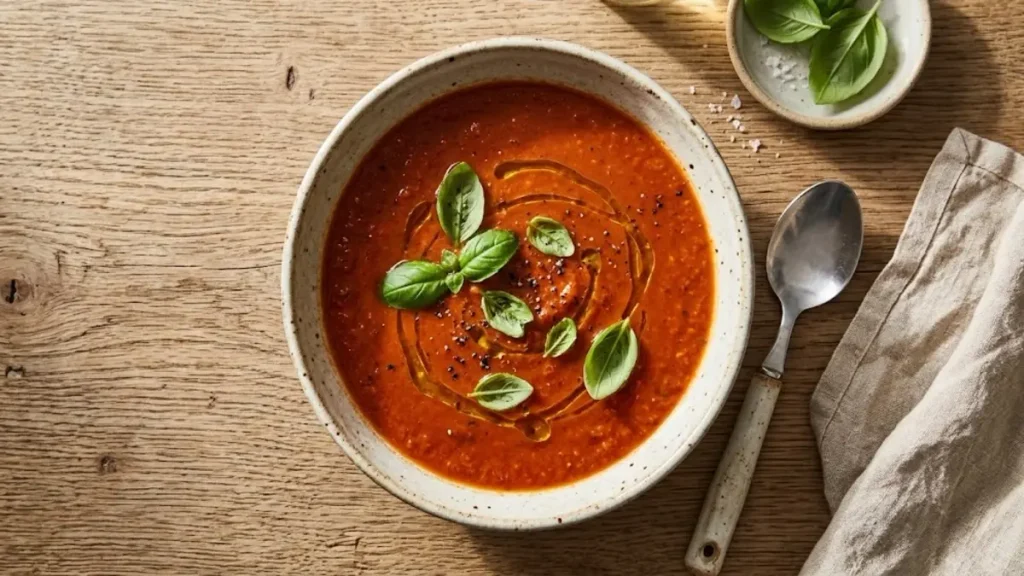
Ingredients: 1 kg (about 2 lb) ripe tomatoes halved, 1 onion in wedges, 4 garlic cloves, 2 tbsp olive oil, 2 cups low-sodium broth, a handful of basil, black pepper.
Method: Roast the vegetables with oil at 200°C (400°F) for 30 minutes until soft and browned at the edges. Blend with the broth and basil, and reheat gently.
Tip: Roasting brings out sweetness, so you do not need sugar. If the tomatoes are sour, add a small pinch of baking soda rather than sugar.
9. Classic Gazpacho
Time: 15 minutes plus chilling · Nutrition per serving: 130 calories / 11g net carbs / 3g fiber / 2g protein / 340mg sodium.
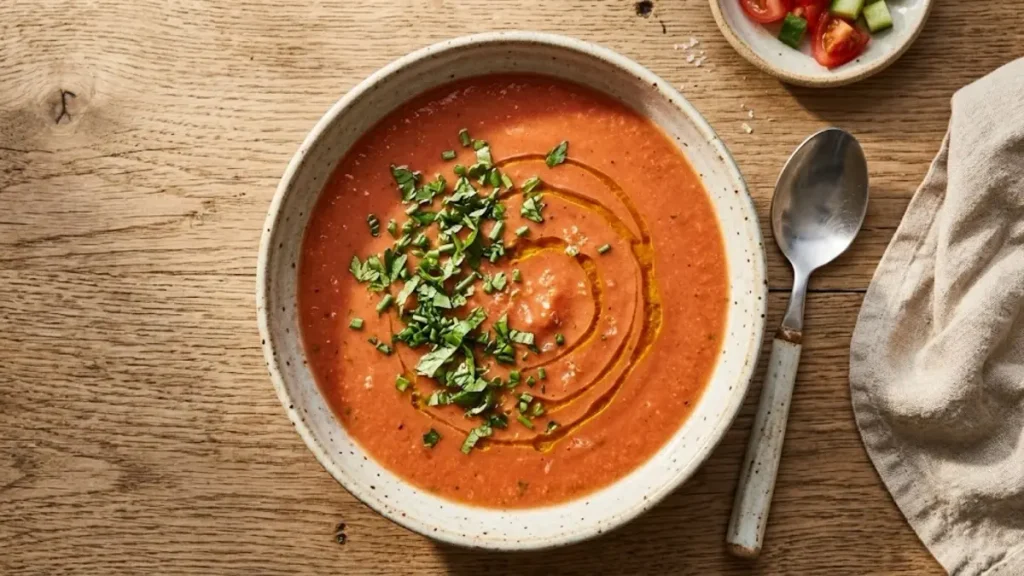
Ingredients: 800 g ripe tomatoes, 1 cucumber, 1 red bell pepper, 1 small garlic clove, 3 tbsp olive oil, 1 tbsp sherry or red wine vinegar, salt and pepper to taste.
Method: Blend everything until smooth, adjust the seasoning and chill for at least 2 hours. Serve cold with diced cucumber on top.
Tip: A good summer option with almost no cooking and no added carbohydrate thickener.
10. Chilled Cucumber and Yogurt Soup
Time: 10 minutes plus chilling · Nutrition per serving: 120 calories / 9g net carbs / 2g fiber / 6g protein / 280mg sodium.
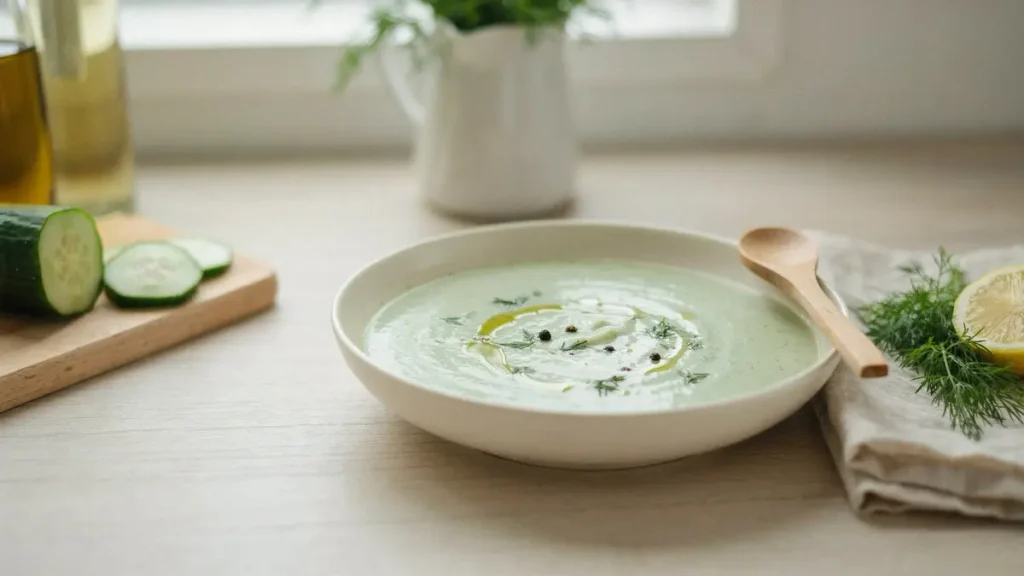
Ingredients: 2 cucumbers, 1½ cups unsweetened plain Greek yogurt, 1 garlic clove, 2 tbsp olive oil, juice of ½ lemon, fresh mint or dill, ½ cup cold water.
Method: Blend everything until smooth, thin with water to taste and chill for 1 hour.
Tip: Choose plain yogurt. Flavored yogurts often contain a lot of added sugar.
11. Chicken Taco-Style Soup (No Tortillas)
Time: 35 minutes · Nutrition per serving: 220 calories / 10g net carbs / 4g fiber / 22g protein / 350mg sodium.
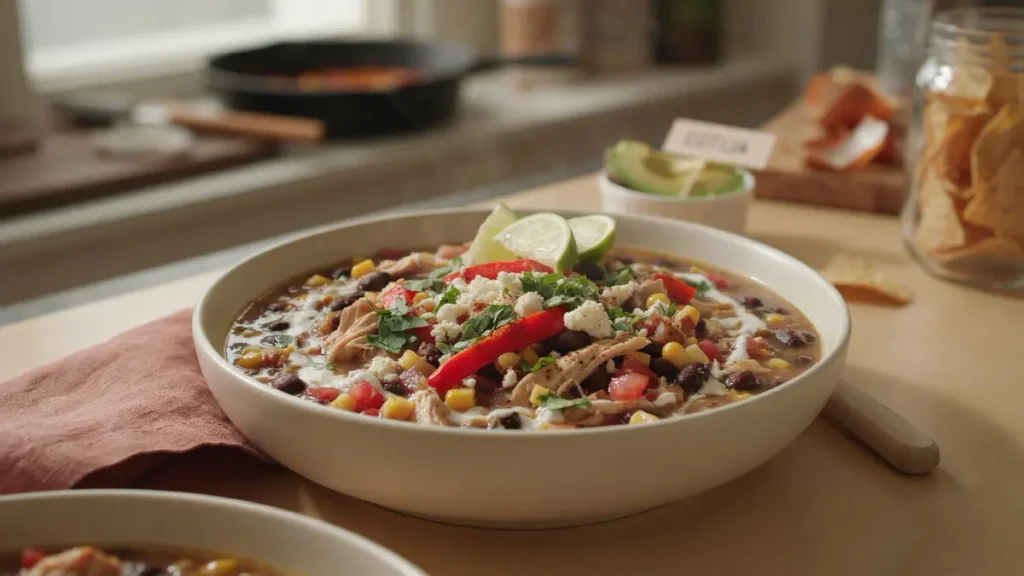
Ingredients: 1 tbsp olive oil, 1 onion, 1 bell pepper, 2 garlic cloves, 2 tsp cumin, 1 tsp smoked paprika, 1 can (400 g) no-sugar-added diced tomatoes, 4 cups low-sodium chicken broth, 300 g chicken breast, ½ avocado, cilantro, lime.
Method: Soften the onion and pepper in oil, add garlic and spices, then the tomatoes, broth and chicken. Simmer 20 minutes, shred the chicken and serve topped with avocado, cilantro and lime.
Tip: Add a small portion of beans or corn only if it fits your carb plan.
12. Broccoli and Spinach Green Soup
Time: 25 minutes · Nutrition per serving: 150 calories / 10g net carbs / 5g fiber / 8g protein / 330mg sodium.
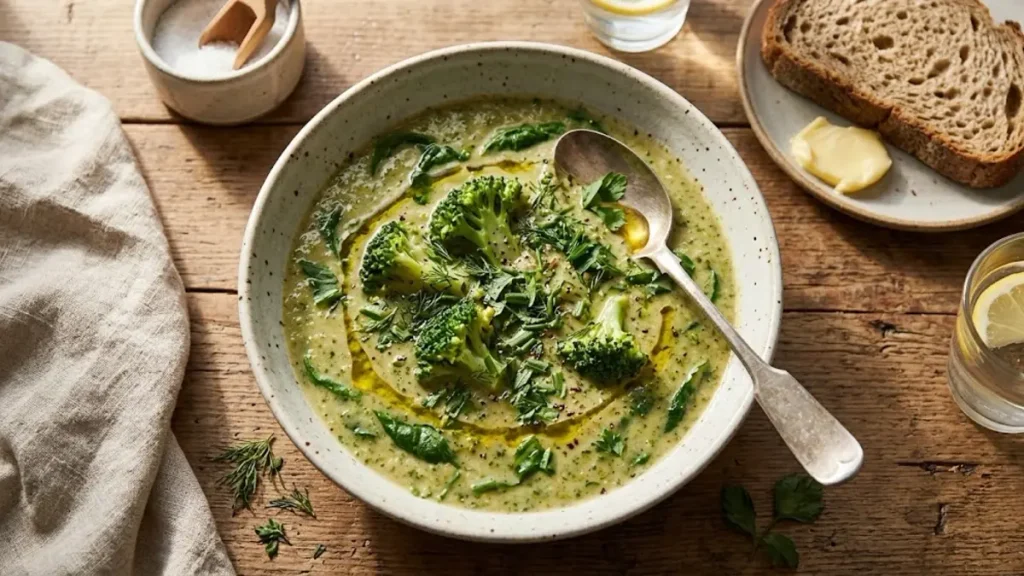
Ingredients: 1 tbsp olive oil, 1 onion, 2 garlic cloves, 1 large head broccoli, 4 cups low-sodium broth, 3 cups spinach, 2 tbsp grated Parmesan, black pepper.
Method: Soften the onion and garlic, add the broccoli and broth and simmer 10 minutes, then add the spinach for 1 minute. Blend, season and top with Parmesan.
Tip: Add shredded chicken or a soft-boiled egg to turn it into a full meal.
How to build a balanced bowl
- Pick a vegetable base from the non-starchy list in the ADA plate method [2].
- Add a protein (about a quarter of the meal) [1].
- Measure your carbohydrate food. Beans, lentils, pasta, potatoes and winter squash all count [2][3].
- Flavor without sugar. Use onion, garlic, ginger, lemon, vinegar, herbs and spices.
- Choose water or another zero-calorie drink to complete the plate [1].
About cinnamon, turmeric and “blood sugar-lowering” spices
You will see claims that certain spices lower blood sugar. The evidence is weaker than the headlines. A Cochrane review of randomized trials found insufficient evidence to support cinnamon as a treatment for type 1 or type 2 diabetes [4], and Mayo Clinic notes that results across studies are mixed [5]. A 2024 meta-analysis of 24 trials reported small improvements in fasting glucose and A1C with cinnamon supplements, while still describing the results as inconclusive overall [6]. Spices make soup taste good, so use them freely, but do not treat them as a substitute for medication or your care plan. If you take glucose-lowering medicine, ask your clinician before using supplements.
Storing and reheating soup safely
Batch cooking is one of soup’s biggest advantages, provided you handle leftovers safely. The USDA recommends the following [7][8]:
- Refrigerate or freeze leftovers within 2 hours of cooking.
- Divide large pots into small, shallow containers so they cool quickly.
- Keep refrigerated soup for 3 to 4 days, and use frozen soup within about 3 to 4 months for the best quality.
- Reheat soup to a rolling boil and make sure leftovers reach 165°F (74°C).
Yogurt-based cold soups (recipes 9 and 10) are best eaten within a day or two, and soups with egg or tofu are best fresh.
Related recipes
- A Nutritious Dinner for Gestational Diabetes
- Best Diabetic-Friendly Hamburger Recipe
- 10 Easy Indian Diabetic Recipes
- Caesar Roasted Broccoli
- More dinner ideas
Frequently asked questions
Can people with diabetes eat soup every day?
Yes, soup can be part of a diabetes meal plan as long as it fits your overall carbohydrate and sodium goals. Choose broth-based or blended-vegetable soups with protein, and measure any beans, pasta or potatoes.
Which soups are best for blood sugar control?
Soups with plenty of non-starchy vegetables and protein, such as chicken and vegetable, miso tofu, cauliflower and green soups, tend to work well. Everyone responds differently, so check your own readings.
Are lentil and bean soups okay with diabetes?
They can be, because they provide fiber and protein, but the ADA counts beans and lentils as carbohydrate foods, so portion size matters [2][3].
How do I make creamy soup without cream or flour?
Blend cooked cauliflower, zucchini or white beans into the base, then finish with a spoonful of plain Greek yogurt or unsweetened milk.
How can I reduce sodium in soup?
Use low-sodium broth, rinse canned beans, and build flavor with lemon, vinegar, herbs, garlic and spices. Add salt at the end and taste first.
Does cinnamon lower blood sugar in soup?
The evidence is inconclusive, and the amounts used in cooking are small [4][5][6]. Enjoy it for flavor.
This article is for general information and is not medical advice. Talk with your doctor or a registered dietitian about the right carbohydrate and sodium targets for you.
Sources
- Michigan State University Extension, “Diabetes plate method.”
- Share Food Program, “Guidelines for eating well with diabetes” (American Diabetes Association Plate Method).
- American Diabetes Association, “Building a Balanced Meal” (plate method handout).
- Cochrane, “Cinnamon for diabetes mellitus.”
- Mayo Clinic, “Diabetes treatment: Can cinnamon lower blood sugar?”
- Phytotherapy Research (2024), cinnamon and glycemic control meta-analysis of RCTs.
- Michigan State University Extension, “Food safety tips for storing and using leftover food” (USDA FSIS guidance).
- University of Nebraska–Lincoln Food, “Serving soup safely.”