
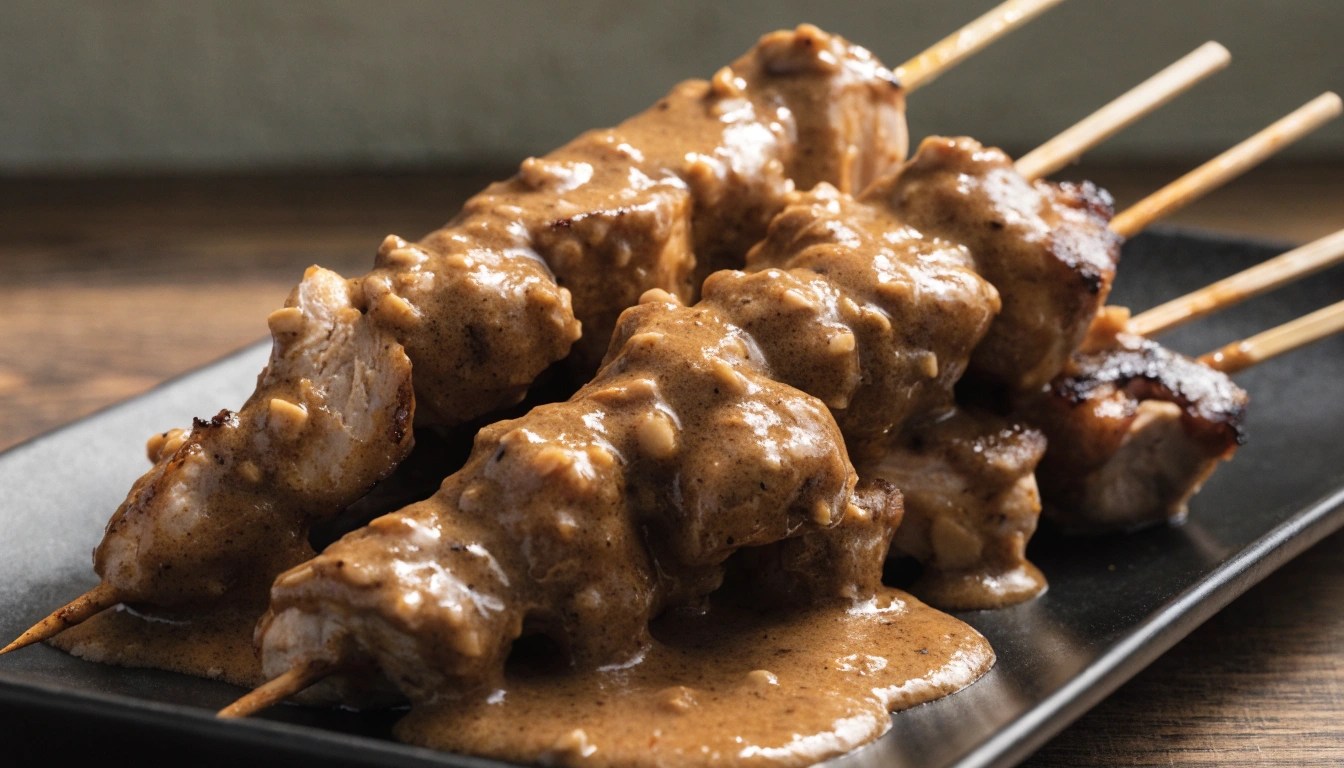
Chicken Skewers with Peanut Sauce: A Diabetic-Friendly Dinner
Written and tested by Lylia , home cook and recipe developer. Nutritional estimates calculated using standard USDA ingredient data. This article is for general informational purposes only and is not medical or dietary advice. If you’re managing diabetes or another blood sugar condition, please talk with your doctor or a registered dietitian before making changes to your diet.
Grilled chicken skewers with a rich, savory peanut sauce make an easy, protein-forward dinner that doesn’t feel like “diet food.” With a quick marinade, a simple stovetop or grill cook, and a five-minute sauce, this comes together for a weeknight meal that’s satisfying without leaning on refined carbs.
Recipe Details
| Prep Time | 30 minutes (includes marinating) |
| Cook Time | 10 minutes |
| Total Time | 40 minutes |
| Servings | 4 |
| Serving Size | 2 skewers + about 2 tablespoons sauce |
| Difficulty | Easy |
Estimated Nutrition (Per Serving)
These are calculated estimates based on typical ingredient values, not lab-tested measurements. Actual values will vary by brand, especially for peanut butter and soy sauce.
| Nutrient | Amount |
|---|---|
| Calories | ~250 |
| Total Carbohydrate | ~11g |
| Fiber | ~1g |
| Total Fat | ~9g |
| Protein | ~29g |
| Sodium | ~380mg |
A note on carb counting: These figures reflect the chicken and sauce only. If you’re serving this over rice, noodles, or with a starchy side, add those carbs separately when tracking your own totals.
Ingredients
For the Chicken
- 1½ lbs (680g) boneless, skinless chicken breast or thigh, cut into 1-inch strips
- 2 tablespoons low-sodium soy sauce
- 1 tablespoon rice vinegar
- 1 tablespoon sesame oil
- 2 cloves garlic, minced
- 1 teaspoon grated fresh ginger
- ½ teaspoon ground turmeric (for color, optional)
For the Peanut Sauce
- ⅓ cup (85g) natural peanut butter (no added sugar)
- 2 tablespoons low-sodium soy sauce
- 1 tablespoon rice vinegar
- 1 tablespoon fresh lime juice
- 1 teaspoon grated fresh ginger
- 1 clove garlic, minced
- 1–2 teaspoons sugar-free sweetener of choice (optional, to taste)
- 3–5 tablespoons warm water, to thin
Optional Garnish
- Chopped fresh cilantro
- Crushed peanuts
- Lime wedges
Equipment Needed
- 8 wooden or metal skewers (soak wooden skewers in water for 20 minutes if grilling)
- Grill, grill pan, or broiler
- Small mixing bowl for the sauce
- Food thermometer
Instructions
1. Marinate the chicken. In a bowl, whisk together the soy sauce, rice vinegar, sesame oil, garlic, ginger, and turmeric. Add the chicken strips, toss to coat, and marinate in the refrigerator for at least 20 minutes (up to 4 hours for more flavor).
2. Thread the skewers. Weave the marinated chicken strips onto skewers.
3. Cook the chicken. Grill or broil the skewers for 4–5 minutes per side, until the chicken reaches an internal temperature of 165°F, confirmed with a food thermometer. Cooking times will vary depending on your grill or broiler, so check temperature rather than relying on time alone.
4. Make the peanut sauce. While the chicken cooks, whisk together the peanut butter, soy sauce, rice vinegar, lime juice, ginger, garlic, and sweetener (if using) in a small bowl. Add warm water a tablespoon at a time until you reach a pourable, dip-able consistency.
5. Serve. Plate the skewers with the peanut sauce alongside for dipping, or drizzled over the top. Garnish with cilantro, crushed peanuts, or a lime wedge if you like.
Tips From Testing This Recipe
- Peanut butter choice: Use a natural peanut butter with just peanuts and salt on the label — many conventional brands add sugar and oils that change both the carb count and the flavor balance of the sauce.
- Soy sauce: Regular soy sauce is high in sodium; low-sodium soy sauce cuts this meaningfully without changing the flavor much. Tamari is a gluten-free alternative if needed.
- Don’t skip the thermometer: Chicken pieces this thin can look done on the outside before the inside is fully cooked. A food thermometer is the most reliable way to confirm doneness — visual cues alone aren’t a substitute.
- Make-ahead: The peanut sauce keeps well in the fridge for up to a week and is worth doubling for salads or as a dip for raw vegetables during the week.
- Thinning the sauce: Natural peanut butter thickens as it sits — add a splash of warm water when reheating leftover sauce to loosen it back up.
Variations
- Extra Vegetables: Thread bell pepper, red onion, or zucchini chunks onto the skewers alongside the chicken for more fiber and volume without much added carb.
- Spicier Sauce: Add a small amount of chili garlic sauce or a pinch of red pepper flakes to the peanut sauce.
- Almond Butter Version: Swap in unsweetened almond butter for a slightly different flavor and a modest carb reduction.
- Coconut-Lime Twist: Replace a tablespoon of water in the sauce with light coconut milk for a rounder, slightly sweeter flavor.
Serving Suggestions
- Over a bed of shredded cabbage or cucumber salad for a lower-carb base
- With a small portion of brown rice or cauliflower rice if you want a starch
- As a lettuce wrap, tucking the chicken and a spoonful of sauce into large lettuce leaves
- Alongside grilled or steamed non-starchy vegetables, per the American Diabetes Association’s Diabetes Plate approach, which recommends filling half your plate with non-starchy vegetables, a quarter with lean protein, and a quarter with quality carbohydrates
Why This Recipe Can Fit a Lower-Carb, Diabetes-Friendly Pattern
- Protein-forward: At roughly 29g of protein per serving, this dish leans heavily on lean chicken breast, which the American Diabetes Association lists among its recommended lean protein choices.
- Moderate, controllable carbs: Most of the carbohydrate here comes from the peanut butter and a small amount of sweetener, both of which you control directly rather than relying on a packaged sauce.
- Healthy fat source: Peanut butter and sesame oil contribute primarily unsaturated fats.
- Sodium is adjustable: Using low-sodium soy sauce in both the marinade and sauce keeps this dish’s sodium lower than a typical restaurant version, though it still adds up — check your own daily sodium target if that’s a concern for you.
Frequently Asked Questions
Can I make this without a grill? Yes. A stovetop grill pan or your oven’s broiler both work well — just watch the timing closely under a broiler, since it cooks faster and less evenly than a grill.
Is the peanut sauce keto-friendly? With natural peanut butter and no added sugar (or a sugar-free sweetener), the sauce itself is relatively low in carbs, but always check your own total carb count for the meal, including any sides.
Can I use a different protein? Shrimp or firm tofu both work as swaps — reduce the marinating time for shrimp (10–15 minutes is plenty) and adjust cook time accordingly, checking for doneness rather than following the chicken timing exactly.
Is peanut sauce safe if I have a peanut allergy? No — this recipe isn’t appropriate if you or someone you’re serving has a peanut allergy. Sunflower seed butter is a common allergy-friendly substitute, though the flavor will differ.
Can I prep this ahead for the week? Yes. The chicken can marinate up to a day ahead, and the sauce keeps well refrigerated for up to a week. Grill just before serving for the best texture.
Storage Instructions
- Refrigerator: Store cooked chicken and sauce separately in airtight containers for up to 4 days.
- Freezer: Cooked chicken freezes well for up to 2 months; the peanut sauce is best made fresh or refrigerated rather than frozen, since it can separate when thawed.
- Reheating: Reheat chicken to an internal temperature of 165°F. Loosen the sauce with a splash of warm water if it’s thickened in the fridge.
Recipe Notes
- Soak wooden skewers in water for at least 20 minutes before grilling to keep them from burning.
- Cutting the chicken into even strips helps it cook uniformly and reach a safe temperature at the same time throughout.
- If doubling the recipe for a crowd, cook in batches rather than crowding the grill, which can lower the cooking temperature and lead to uneven doneness.
Sources & Further Reading
- American Diabetes Association – The Diabetes Plate
- American Diabetes Association – Best Protein-Rich Foods for Diabetes
- USDA FoodData Central – general reference basis for nutrition estimates
Disclaimer: This recipe and its nutritional estimates are provided for general informational purposes and have not been evaluated by a medical professional or laboratory-tested. They are not a substitute for personalized medical or dietary advice. Please consult your doctor or a registered dietitian regarding any health condition, including diabetes, and check with a healthcare provider about any food allergies before preparing this recipe for others.