
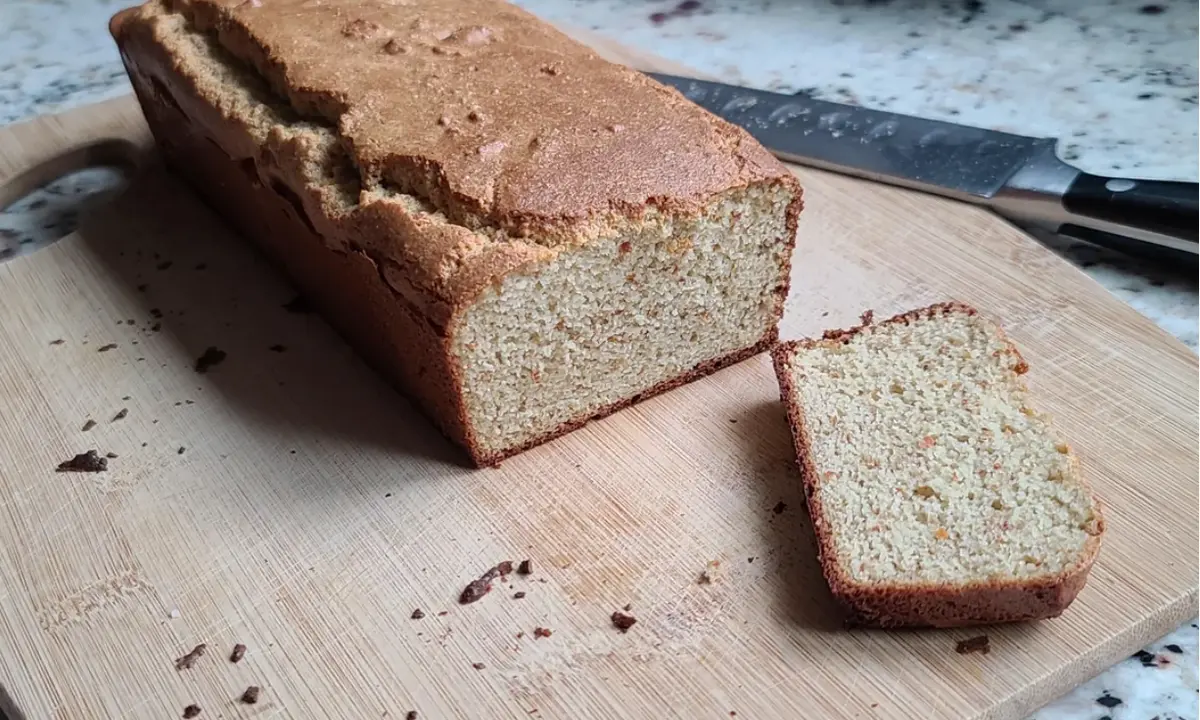
Homemade Sandwich Bread for Diabetics: 2 Recipes That Won’t Spike Your Blood Sugar
Written and tested by Lylia. Nutritional estimates calculated using standard USDA ingredient data. This article is for general informational purposes only and is not medical or dietary advice. If you’re managing diabetes or another blood sugar condition, please talk with your doctor or a registered dietitian before making changes to your diet.
Sandwich bread is one of the more deceptive foods in a diabetic’s kitchen. Two slices of standard white bread contain 22–26 grams of net carbohydrates with a glycemic index of 70–75 — comparable to eating a bowl of plain white rice. And unlike rice, which you might eat once a day with a meal, bread shows up at breakfast, lunch, and as a snack in between. For someone managing blood sugar, that adds up fast.
The good news is that homemade diabetic sandwich bread — made with the right flour and the right technique — genuinely works. This article gives you two complete recipes: a low-carb almond flour loaf at 3g net carbs per slice, and a whole grain seed loaf at 8g net carbs per slice with an estimated GI of around 35. Both hold together well enough for sandwiches, both toast without falling apart.
Why Standard Bread Is Particularly Problematic for Diabetics
Most people know bread raises blood sugar. Fewer people realize how quickly it does so, or why white bread is worse than it looks on a nutrition label.
White bread is made from highly refined wheat flour — the bran and germ have been removed, leaving mostly starch. When you eat it, digestive enzymes break that starch down into glucose within 15–30 minutes, producing a sharp blood sugar spike that requires a significant insulin response. For someone with type 2 diabetes whose insulin response is already impaired, or for someone on insulin therapy, this speed creates real management problems.
The starch structure in white bread is also very “open” — the individual starch granules are fully gelatinized during baking, making them easily accessible to digestive enzymes. Whole grain breads with intact seeds and bran are physically harder to break down, which is part of why their GI tends to be lower even when total carbohydrate content is similar.
A note on store-bought “diabetic bread”: most commercial diabetic or “low GI” breads are only modestly better than standard white bread. Many use the same refined flour base with added fiber — the fiber helps somewhat, but the underlying starch structure is still highly digestible. Baking at home with genuinely different base ingredients (almond flour, seeds, whole grain flour) tends to produce a more meaningfully different result.
Standard White Bread vs. These Recipes: Side by Side
| Standard white sandwich bread | This recipe (almond flour) | |
|---|---|---|
| Net carbs per slice | ~22–26g | ~3g |
| Glycemic index | ~70–75 (high) | ~15–20 (very low, estimated) |
| Fiber per slice | ~0.6g | ~2.5g |
| Protein per slice | ~3g | ~6g |
| Ingredients | Refined flour, sugar, preservatives | Almond flour, eggs, whole foods |
Recipe 1: Almond Flour Sandwich Bread (Estimated 3g Net Carbs per Slice)
This is the bread to make for maximum blood sugar control. The loaf is dense and moist rather than airy like white bread, but slices cleanly and toasts to a firm crunch.
The key to avoiding the “eggy” taste that ruins most almond flour breads is psyllium husk powder. It binds the loaf, creates a chewier texture, and helps mute the egg flavor. It’s not optional in this recipe.
| Prep time | Cook time | Servings | Difficulty |
|---|---|---|---|
| 12 min | 55–60 min | 14 slices | Easy |
Ingredients
- 280g (2¾ cups) blanched almond flour — fine grind, not almond meal
- 3 tbsp (21g) psyllium husk powder — not flakes, which don’t bind the same way
- 2 tsp baking powder
- ½ tsp fine salt
- 1 tsp apple cider vinegar
- 4 large eggs, room temperature
- 3 tbsp (45ml) melted butter or light olive oil
- 3 tbsp (45ml) warm water
- Optional: 1 tbsp mixed seeds pressed onto the top before baking
Method
- Preheat oven to 175°C (350°F). Line a 23×13cm loaf pan with parchment, leaving an overhang, and lightly grease it.
- Whisk together the almond flour, psyllium husk powder, baking powder, and salt, breaking up any lumps.
- In a separate bowl, whisk the eggs, melted butter (or oil), warm water, and vinegar until smooth.
- Pour wet into dry and mix firmly for about 60 seconds. The batter will thicken noticeably as the psyllium absorbs moisture — this is correct. If it seems too wet after 2 minutes, rest it 3 more minutes.
- Transfer to the pan and smooth into a slightly domed shape with wet hands. Scatter seeds on top if using.
- Bake 55–60 minutes, until deep golden brown, the sides pull away from the pan, and a toothpick comes out clean. Don’t underbake — this bread can look done on the outside while still wet in the center.
- Rest in the pan 10 minutes, then lift out and cool on a wire rack for at least 1 hour before slicing.
Baker’s tip: Use a bread knife with a gentle sawing motion. A straight-down cut compresses the crumb.
Worth knowing: Psyllium husk powder can occasionally turn almond flour bread slightly purple or grey — a harmless reaction with baking powder that doesn’t affect taste. Aluminum-free baking powder minimizes this.
Storage
- Room temperature: 2 days maximum, airtight.
- Refrigerator: up to 7 days — actually the recommended storage, since the texture firms up nicely.
- Freezer: slice, wrap individually, freeze up to 3 months. Toast directly from frozen.
Estimated Nutrition (Per Slice, 1 of 14)
These are calculated estimates, not lab-tested values.
| Nutrient | Per slice |
|---|---|
| Calories | ~175 |
| Total carbohydrates | ~6g |
| Fiber | ~3g |
| Net carbs | ~3g |
| Protein | ~6g |
| Total fat | ~15g |
| Sodium | ~130mg |
| Glycemic index (estimated) | ~15–20 — very low |
| Two-slice sandwich (net carbs) | ~6g total |
Recipe 2: Whole Grain Seed Loaf (Estimated 8g Net Carbs, GI ~35)
This is the bread for a more traditional-tasting, hearty loaf — denser and more Scandinavian-style than a supermarket sandwich loaf, excellent toasted.
| Prep time | Cook time | Servings | Difficulty |
|---|---|---|---|
| 15 min | 60–65 min | 16 slices | Easy |
Ingredients
- 150g (1¼ cups) whole spelt flour — or whole rye flour for a darker loaf
- 100g (1 cup) ground golden flaxseed
- 60g (⅔ cup) oat fiber — not oat flour, which is different
- 60g (½ cup) sunflower seeds
- 40g (¼ cup) pumpkin seeds
- 2 tbsp sesame seeds
- 2 tbsp poppy seeds
- 2 tsp baking powder
- ½ tsp baking soda
- 1 tsp fine salt
- 3 large eggs
- 240ml (1 cup) plain full-fat Greek yogurt
- 60ml (¼ cup) light olive oil
- 2 tbsp apple cider vinegar
- 2 tbsp water
- Extra mixed seeds to scatter on top
Method
- Preheat oven to 175°C (350°F). Line and grease a 23×13cm loaf pan.
- Combine the flour, flaxseed, oat fiber, all seeds, baking powder, baking soda, and salt in a large bowl.
- Whisk together eggs, Greek yogurt, olive oil, vinegar, and water in a separate bowl — small yogurt lumps are fine.
- Pour wet into dry and mix until combined. The batter is very thick, more like a stiff muffin batter than bread dough. Work quickly, since leavening starts activating right away.
- Transfer to the pan, smooth the top, and press extra seeds on top generously.
- Bake 60–65 minutes, testing with a toothpick at 60 minutes — it must come out completely clean.
- Cool in the pan 15 minutes, then on a wire rack for at least 1.5 hours before slicing.
Baker’s tip: Oat fiber (not oat flour) is what makes this recipe work — it absorbs liquid and adds structure without adding digestible carbs. If unavailable, substitute an equal weight of extra ground flaxseed, which slightly lowers the fiber content but gives a similar result.
Storage
- Room temperature: 3 days, wrapped tightly.
- Refrigerator: up to 10 days.
- Freezer: slice and freeze individually up to 3 months.
Estimated Nutrition (Per Slice, 1 of 16)
| Nutrient | Per slice |
|---|---|
| Calories | ~165 |
| Total carbohydrates | ~15g |
| Fiber | ~7g |
| Net carbs | ~8g |
| Protein | ~7g |
| Total fat | ~10g |
| Sodium | ~195mg |
| Glycemic index (estimated) | ~35 — low-medium |
| Two-slice sandwich (net carbs) | ~16g total |
The 7g of fiber per slice is a meaningful amount — comparable to many vegetables — and fiber intake generally is linked to gut microbiome health, an area of ongoing research into its connection with blood sugar regulation, though the specific gut-health-to-glucose-control pathway is still an active research area rather than a fully settled mechanism.
The Best Sandwich Fillings for Diabetes Management
Pairing bread with protein and healthy fat slows digestion and helps moderate the overall blood sugar response of the meal.
| Filling | Why it may help |
|---|---|
| Turkey, avocado, lettuce, mustard | High protein + healthy fat, minimal added carbs |
| Tuna mayo with cucumber | Protein-dense, omega-3 fats |
| Cream cheese and smoked salmon | Fat + protein combination |
| Egg salad with celery | Pure protein, filling |
| Grilled chicken, pesto, roasted peppers | Lean protein, healthy fats |
| Almond butter with thin apple slices | Protein + fat may slow apple sugar absorption |
What to watch for in fillings
- Sweetened condiments — ketchup, honey mustard, and many barbecue sauces carry meaningful added sugar per tablespoon. Dijon mustard, hot sauce, or olive oil are lower-carb swaps.
- Processed lunch meats with fillers — some sliced deli meats contain added sugars or starches. Check the label: ideally just meat, salt, and spices.
- Fruit jam or marmalade — even “reduced sugar” versions still carry meaningful sugar per tablespoon.
Troubleshooting Common Problems
Bread didn’t rise: For the almond flour loaf, check that your baking powder is fresh (test by dropping a teaspoon into hot water — it should bubble vigorously). For the seed loaf, minimal rise is normal — it’s a dense, Scandinavian-style bread by design.
Bread is gummy or wet in the middle: Almost always underbaking. The toothpick must come out fully clean, not “mostly clean.” A probe thermometer reading of roughly 93–96°C (200–205°F) is a more definitive check than time alone.
Almond flour loaf too crumbly for sandwiches: Usually from slicing while still warm, or from skipping/substituting the psyllium husk powder — it’s the structural binder in this recipe and flaxseed isn’t an equivalent substitute.
Bread tastes too eggy: Try swapping one whole egg for 2 tablespoons of plain Greek yogurt, which adds moisture and binding without egg flavor.
Can I use a bread machine? Neither batter suits a bread machine — both are quick-bread style batters rather than kneaded, yeasted dough. Both take under 15 minutes of hands-on prep in a conventional oven anyway, so a bread machine offers little advantage here.
Frequently Asked Questions
Can I eat bread every day with type 2 diabetes? With recipes like these, many people can fit bread into a daily eating pattern in sensible portions — the key difference from standard bread is the speed of digestion, not just the carb count. Testing your blood sugar after eating is the most reliable way to understand your own response.
Which recipe is better for weight management? Both are similar in calories per slice. The almond flour loaf is higher in fat and lower in carbs; the seed loaf is higher in fiber, which may support satiety more. Either can fit a weight-management plan depending on your other goals.
Can I use coconut flour instead of almond flour? No, not as a direct swap — coconut flour absorbs roughly four times more liquid and has a very different structure. Look for a recipe designed specifically for coconut flour if you need a nut-free option.
Is this suitable for someone with both diabetes and celiac disease? The almond flour loaf is naturally gluten-free, provided your specific baking powder and psyllium husk brands are certified gluten-free (cross-contamination varies by manufacturer). The seed loaf contains spelt or rye, both of which contain gluten, and is not suitable for celiac disease.
How do I know if my blood sugar response to this bread is acceptable? Testing is the most reliable way to know your personal response: check before eating, then again 1–2 hours afterward. The American Diabetes Association’s general postprandial target for many adults with diabetes is staying under 180 mg/dL (10.0 mmol/L) at 1–2 hours after a meal — though individual targets vary by age, other health conditions, and treatment plan, and should be set with your own care team rather than assumed from a general guideline. If your readings are consistently running above your personal target after trying this bread, that’s useful information to bring to your dietitian or doctor, who can help you adjust portion size or pairing.
Sources & Further Reading
- American Diabetes Association – Glycemic Targets: Standards of Medical Care in Diabetes
- National Institute of Diabetes and Digestive and Kidney Diseases – Diabetes Diet, Eating, & Physical Activity
- USDA FoodData Central – general reference basis for nutrition estimates
Medical disclaimer: The nutritional information in this article is estimated using standard food composition data and may vary depending on the specific brands of ingredients used. Net carb counts exclude fiber and sugar alcohols. This article is for educational and informational purposes only and does not constitute medical advice. People with diabetes should consult a registered dietitian or healthcare provider before making significant dietary changes. Blood glucose responses to food vary between individuals — always monitor your own levels when trying new foods.