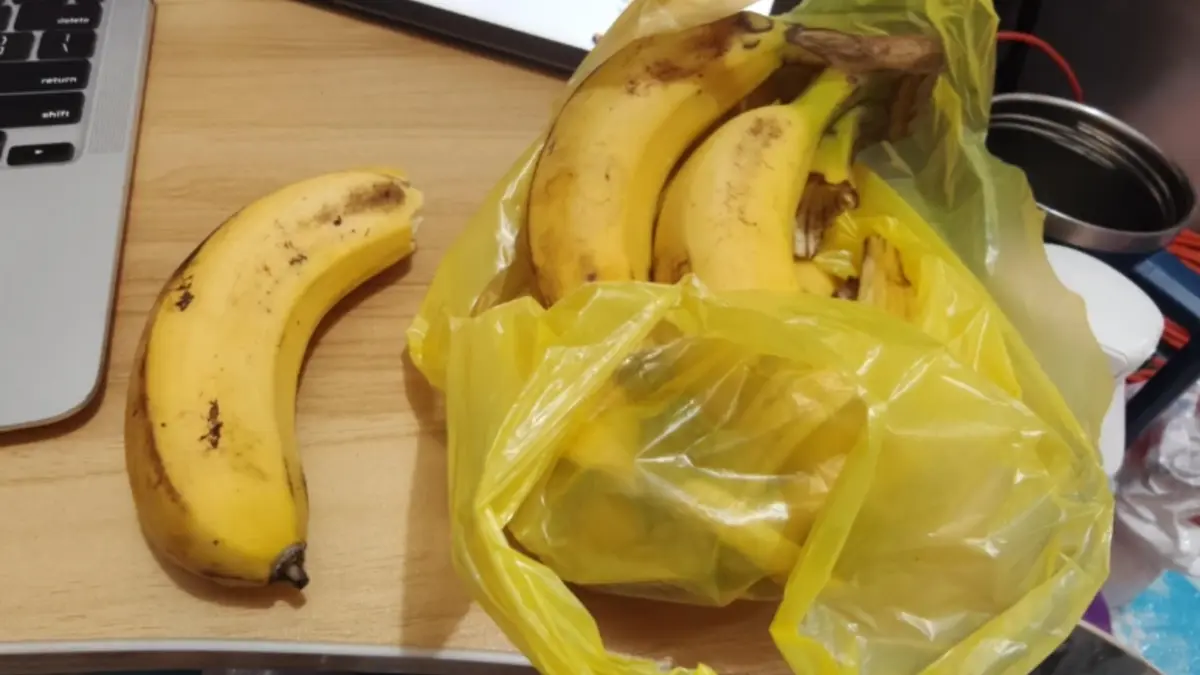
Are Bananas Good for Diabetics? What the Science Actually Says
⚕️ Medical disclaimer: This article is for informational purposes only and does not constitute medical advice. Always consult your doctor or registered dietitian before making changes to your diet, especially if you are managing diabetes with medication or insulin.
If you have diabetes, you’ve probably heard conflicting advice about bananas. Some nutritionists say they’re too sugary. Others say they’re perfectly fine in moderation. Online, you’ll find both extremes argued passionately. The truth, as with most things in nutrition science, is far more nuanced — and it depends on ripeness, portion size, what you eat them with, and your individual blood glucose response.
This article covers everything you need to know about bananas and blood sugar, backed by peer-reviewed research, so you can make an informed decision rather than an anxious one.
The Full Nutritional Profile of a Banana
Before deciding whether bananas are good or bad for diabetics, it helps to understand exactly what’s in one. A medium banana weighing approximately 118 grams contains:
- Calories: 105
- Total carbohydrates: 27g
- Dietary fiber: 3.1g
- Natural sugars: 14.4g (glucose, fructose, sucrose)
- Protein: 1.3g
- Fat: 0.4g
- Potassium: 422mg (12% of daily value)
- Vitamin B6: 0.4mg (22% of daily value)
- Vitamin C: 10.3mg (11% of daily value)
- Magnesium: 31.9mg (8% of daily value)
The fiber content — 3.1 grams — is significant. Fiber slows the rate at which sugar enters the bloodstream, which means a banana behaves differently in your body than a food with the same amount of sugar but no fiber, like fruit juice.
Glycemic Index of Bananas: Why Ripeness Changes Everything
The glycemic index (GI) measures how quickly a food raises blood glucose compared to pure glucose. Foods with a GI above 70 are considered high, 56–69 medium, and 55 or below low. According to the Harvard Health glycemic index reference, bananas have a GI of approximately 51 for a ripe banana — placing them in the low-to-medium range.
But ripeness dramatically changes this number:
| Banana Ripeness | Approximate GI | Resistant Starch Content | Best for Diabetics? |
|---|---|---|---|
| Very green (unripe) | ~30–40 | Very high (~15–20g) | ✅ Best choice |
| Slightly green tips | ~42–48 | High (~8–12g) | ✅ Good choice |
| Fully yellow | ~51–55 | Moderate (~3–5g) | ⚠️ Moderate — pair with protein |
| Yellow with brown spots | ~62–70 | Low (~1–2g) | ❌ Avoid or eat very small amount |
As a banana ripens, enzymes break down resistant starch into simple sugars — primarily glucose, fructose, and sucrose. This is why an overripe banana tastes intensely sweet and causes a faster, higher blood sugar spike than an underripe one.
Key takeaway: The same banana at different stages of ripeness can have a glycemic index that varies by 30+ points. Choosing slightly underripe bananas is one of the simplest ways to lower the blood sugar impact.
What Does the American Diabetes Association Say?
The American Diabetes Association (ADA) does not place bananas on a forbidden list. Its position is that all fruits, including bananas, can be part of a healthy diabetic diet. The ADA focuses on total carbohydrate counting and pairing strategies rather than banning individual foods. This evidence-based position recognizes that whole fruits provide fiber, vitamins, minerals, and phytochemicals that are genuinely beneficial for metabolic health.
The Resistant Starch Advantage in Underripe Bananas
Resistant starch is one of the most interesting compounds in unripe bananas. Unlike regular starch, resistant starch is not broken down and absorbed in the small intestine. Instead, it travels to the large intestine where it ferments and feeds beneficial gut bacteria — acting more like dietary fiber than a carbohydrate.
A review published in the Journal of Nutrition and Metabolism found that resistant starch consumption improves postprandial blood glucose responses and may increase insulin sensitivity over time. For diabetics, this means an underripe banana has a dual benefit: lower immediate glycemic impact AND potential long-term improvements in insulin sensitivity through gut microbiome modulation.
Potassium, Blood Pressure, and Cardiovascular Risk
People with type 2 diabetes are at significantly elevated risk of cardiovascular disease — estimates suggest they are 2–4 times more likely to die from heart disease than people without diabetes. Blood pressure management is therefore critical. Potassium is one of the most important minerals for blood pressure regulation, and bananas are one of the richest natural sources, providing 422mg per medium banana.
The National Heart, Lung, and Blood Institute recommends a potassium-rich diet as part of its approach to heart-healthy eating. Eliminating bananas from a diabetic’s diet removes a meaningful source of this critical mineral, which needs to be replaced from other sources.
How Pairing Changes the Blood Sugar Equation
One of the most important — and often overlooked — factors in how a banana affects blood sugar is what you eat it with. When consumed alone, the carbohydrates in a banana are absorbed relatively quickly. When paired with protein, fat, or both, the rate of digestion slows considerably, producing a flatter, more gradual glucose response.
Research published in Cell (2015) demonstrated that individual glycemic responses to identical foods vary enormously between people, and that food combinations have a significant moderating effect. In practice, this means:
- Banana + almond butter = much better blood sugar response than banana alone
- Banana + Greek yogurt = protein and fat slow digestion, moderating the spike
- Banana in oatmeal = fiber from oats combines with fiber from banana for compounded benefit
- Banana smoothie with protein powder = balanced macros make this far better than juice
Portion Control: Why Half a Banana Often Works Best
For diabetics monitoring carbohydrate intake, a whole medium banana at 27g of carbs can take up a significant portion of a meal’s carbohydrate allowance. Half a banana, at approximately 13–14g of carbs, fits comfortably within a 15–30g carbohydrate snack window for most management plans. This simple adjustment — eating half and saving half for later, or sharing — makes bananas far more manageable as a regular snack choice.
🚩 Watch out for: Banana smoothies from coffee shops or juice bars. A typical “healthy” banana smoothie can contain 60–90g of sugar and virtually no fiber because the fruit is blended with juice, sweetened yogurt, or honey. These are blood sugar disasters despite sounding nutritious. Always make smoothies at home where you control the ingredients.
Type 1 vs. Type 2 Diabetes: Does It Make a Difference?
For people with type 1 diabetes who use insulin-to-carbohydrate ratios to dose insulin, a banana requires the same calculation as any other carbohydrate source. The key is accurate carb counting — knowing that a medium banana contains approximately 27g of carbs, or a half banana around 14g. For type 2 diabetics not on insulin, the focus is on choosing the ripeness level and pairing that produces the flattest glucose response based on personal monitoring.
Banana vs. Other Fruits for Diabetics: A Quick Comparison
| Fruit | Serving Size | Carbs | GI | Fiber |
|---|---|---|---|---|
| Banana (half, slightly green) | 59g | 13g | ~44 | 1.5g |
| Apple (small) | 138g | 18g | ~36 | 3.3g |
| Blueberries | 148g (1 cup) | 21g | ~53 | 3.6g |
| Strawberries | 152g (1 cup) | 11g | ~40 | 3g |
| Grapes (15) | ~80g | 14g | ~59 | 0.7g |
| Orange (small) | 130g | 15g | ~43 | 2.3g |
In this context, half a slightly underripe banana compares favorably with many common fruits. Berries are generally the lowest glycemic choice for diabetics, but half a banana is by no means the worst option.
Practical Guide: How to Include Bananas in a Diabetic Diet
- Choose slightly underripe bananas — still firm, with greenish tips. Buy a bunch and eat them before they fully ripen.
- Eat half at a time — 13g of carbs fits into almost any diabetic meal plan as a snack.
- Always pair with protein or fat — almond butter, natural peanut butter, cottage cheese, Greek yogurt, or a small handful of nuts.
- Add to high-fiber foods — sliced into steel-cut oatmeal or combined with chia seeds in a smoothie.
- Refrigerate very ripe bananas — freezing stops further ripening and starch conversion; use frozen ripe bananas for smoothies in small quantities.
- Monitor your personal response — check blood glucose 1–2 hours after eating. Your response will be unique to your metabolism, medications, and overall diet.
- Never drink banana juice — juicing removes all the fiber that makes bananas manageable for diabetics.
The Bottom Line
Bananas are not off-limits for people with diabetes. They offer genuine nutritional value — fiber, resistant starch, potassium, B vitamins, and vitamin C — and when chosen at the right ripeness, eaten in appropriate portions, and paired intelligently with protein or fat, they can be a healthy part of a diabetic diet. The fear of bananas in the diabetes community is largely based on oversimplified thinking about sugar content without accounting for fiber, resistant starch, ripeness variation, and pairing strategies.
The bottom line is practical: half a slightly underripe banana with almond butter is a nutritionally sound snack. A fully ripe whole banana eaten on its own as a meal replacement is not the best choice. Context, as always in nutrition, is everything.
Summary checklist: ✅ Choose underripe · ✅ Eat half · ✅ Always pair with protein · ✅ Monitor your glucose · ❌ Avoid overripe bananas alone · ❌ Never drink banana juice
Frequently Asked Questions
Can a diabetic eat a banana every day?
Most diabetics can eat half a small underripe banana daily without significant blood sugar issues, especially when paired with protein or healthy fat. Eating a whole ripe banana daily may contribute too many fast-digesting carbs for some people. Monitor your personal blood glucose response to find your threshold.
What is the best time for a diabetic to eat a banana?
The best time is alongside or just after a protein-containing meal, never on an empty stomach. Mid-morning with natural nut butter tends to work well — blood sugar is more stable then and the paired protein prevents a sharp spike.
Are green bananas better for diabetics than ripe bananas?
Yes, significantly. Green bananas have a glycemic index as low as 30–40 and are rich in resistant starch that does not spike blood glucose. As bananas ripen and turn brown-spotted, the GI can climb to 62–70. Underripe is always the better choice for blood sugar management.
How many carbs are in half a banana?
Half a medium banana contains approximately 13–14 grams of carbohydrates, of which about 1.5g is fiber. Net carbs are approximately 11–13g — manageable within most diabetic snack carbohydrate allowances.
Is banana bread safe for diabetics?
Traditional banana bread made with white flour and sugar is not ideal. However, banana bread made with almond flour, erythritol instead of sugar, and a minimal amount of mashed banana can be a much lower-carb alternative when consumed in small slices. Check the recipe’s net carb count before eating.