What Is the Diabetes Plate Method? A Simple Guide to Balanced Meals
By Smith Lina, RD, CDCES · Medically reviewed by Dr. Emily Carter, MD, Board-Certified Endocrinologist · Last updated October 15, 2026
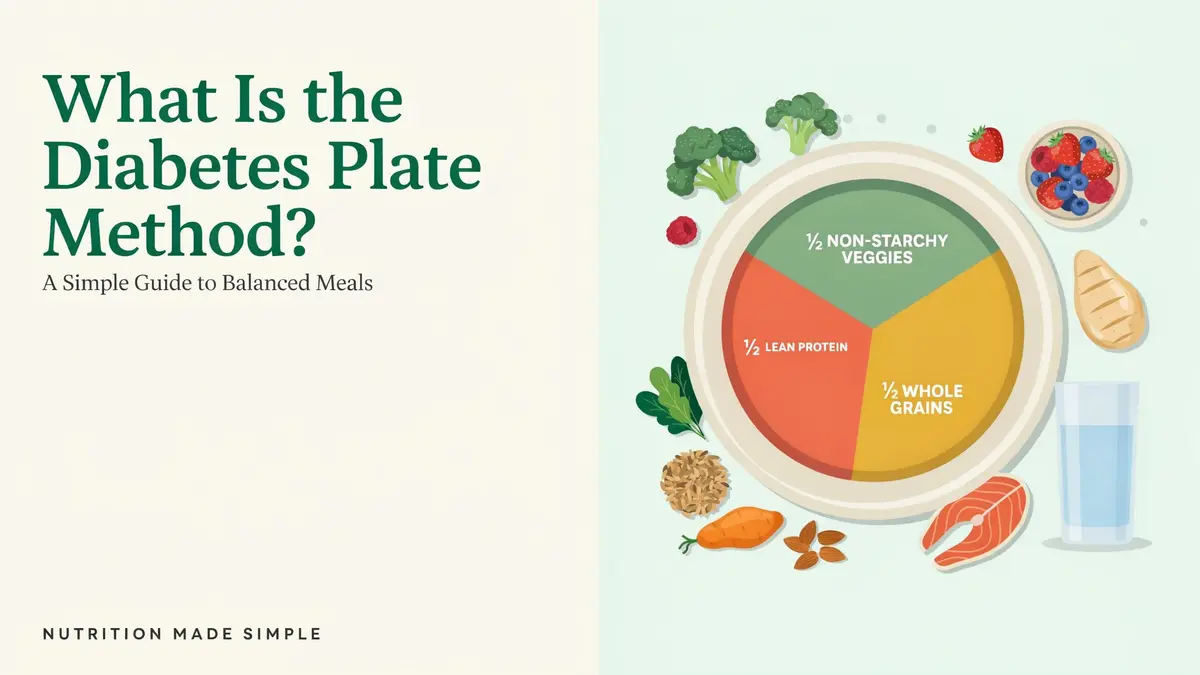
The diabetes plate method is a simple way to build a balanced meal without counting, weighing or calculating. You fill half your plate with non-starchy vegetables, a quarter with lean protein and a quarter with carbohydrate foods, and drink water or another low-calorie beverage [1]. It is the approach the American Diabetes Association (ADA) promotes as an easy starting point for meal planning [1][2].
This guide explains each part of the plate, what counts where, how to adapt it for breakfast, soup and mixed dishes, and where it falls short. It also shows five sample plates built from recipes on this site.
Quick answer: On a 9-inch plate, fill half with non-starchy vegetables, one quarter with lean protein and one quarter with carbohydrate foods such as whole grains, starchy vegetables, beans or fruit [1][2]. It helps keep portions and carbohydrates in check without a scale.
How to build your plate
- Use a smaller plate. The ADA’s guidance is based on a plate about 9 inches across [2]. If your dinner plates are larger, a salad plate works well.
- Divide it in your head. Draw an imaginary line down the middle, then split one half in two. You now have one large section and two small ones [3].
- Fill the large half with non-starchy vegetables. These add volume and fiber with little effect on blood glucose [1].
- Fill one small section with lean protein. The ADA’s handout describes this quarter as roughly a 3-ounce cooked portion [2].
- Fill the other small section with carbohydrate foods. This is the section that most affects blood glucose, so it is the one to keep to a measured portion [1][5].
- Choose water or another zero- or low-calorie drink. Keep the food no higher than about one inch on the plate [3].
Dairy and fruit can sit alongside the plate. Fruit and milk count as carbohydrate foods, so they take the place of something in the carbohydrate quarter rather than adding to it [4][5].
What goes in each section
Half the plate: non-starchy vegetables
Non-starchy vegetables are high in fiber and low in starch and sugar [5]. Examples include:
- Broccoli, cauliflower, Brussels sprouts and cabbage
- Leafy greens such as spinach, kale and collards
- Mushrooms, peppers, tomatoes, cucumbers and zucchini
- Asparagus, green beans, celery, onions and eggplant
The ADA’s handout gives one serving as 1 cup raw or ½ cup cooked, and notes you can eat as many as you like as long as at least half the plate is vegetables [2].
A quarter: lean protein
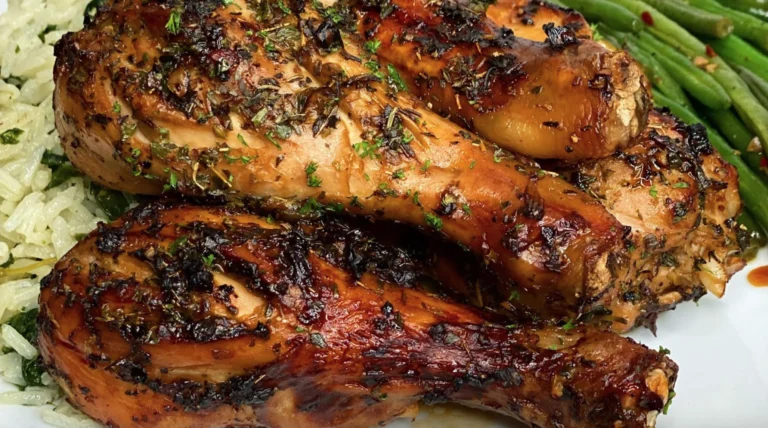
Good choices include chicken, turkey, fish, eggs, tofu, lean cuts of beef and pork, and cheese in moderation [4]. Cook it with methods that do not add much sugar or refined carbohydrate. See our guide to the best cooking methods for diabetics and our chicken guide.
A quarter: carbohydrate foods
This section includes whole grains, starchy vegetables, beans and lentils, fruit, and milk or yogurt [1][4]. The ADA lists corn, peas, butternut and acorn squash, parsnips, plantains, potatoes, pumpkin and sweet potatoes as starchy vegetables [5]. Many people expect beans and lentils to be “free” because they are healthy, but they count as carbohydrate foods and belong in this quarter [1][5].
If you want more detail on specific foods, see rice for diabetics, baked potatoes and zucchini noodles.
Using the plate method in real life
Breakfast
Breakfast is often a smaller meal and may not include all three sections. The ADA notes this, and a common sample breakfast plate simply leaves the vegetable section empty if you do not usually eat vegetables in the morning [1][4]. Pair a protein with a measured carbohydrate. Try the spinach and mushroom egg white frittata or the low-sugar granola. More ideas are in our breakfast guide.
Soup and mixed dishes
Soups, bowls and casseroles do not come in neat sections, so look at what is in them. A soup full of non-starchy vegetables with chicken is mostly vegetables and protein, while a soup thickened with potatoes, noodles or beans has more carbohydrate. Count those ingredients as your carbohydrate quarter. See our [soup guide] for 12 recipes built this way, and our diabetes-friendly bowl recipes.
Snacks
The plate method is designed for meals, not snacks. For snacks, see our snack ideas for diabetics.
Five sample plates
These pairings are examples of how to fill each section. They are not prescriptions, and the portions of the carbohydrate food should match your own plan.
| Plate | Non-starchy vegetables (half) | Lean protein (quarter) | Carbohydrate food (quarter) |
|---|---|---|---|
| Weeknight chicken | Caesar roasted broccoli | Baked chicken | Small baked sweet potato |
| Fish dinner | Garlic Parmesan Brussels sprouts | Herb-crusted baked cod | Small portion of brown rice or quinoa |
| Burger night | Large green salad | Diabetic-friendly hamburger | Whole-grain bun or fruit |
| Easy lunch | Cucumber, tomato and greens | Tuna, eggs or beans | Whole-grain bread |
| Plant-based dinner | Roasted vegetables | Tofu | Chickpeas or lentils (these count as carbohydrate) |
For a week of ideas, see our meal plans, and for batch cooking see meal prep for type 2 diabetes.
Who the plate method is for, and its limits
The ADA describes the plate method as a tool for anyone who wants to eat better and learn about portions, including people with prediabetes [2]. It is a starting point rather than a full plan:
- It does not replace advice from your care team. Carbohydrate needs vary with medication, activity and your own glucose readings.
- If you take insulin or count carbohydrates, ask your dietitian how to combine the plate method with your carbohydrate targets.
- If you have other conditions such as kidney disease, ask about protein amounts for you.
- Pregnancy needs different guidance. If you have gestational diabetes, see our [gestational diabetes guide] and talk with your prenatal team.
Common mistakes
- Using a large dinner plate, which makes every quarter bigger.
- Treating beans, corn or peas as vegetables. In the plate method, they sit in the carbohydrate section [5].
- Forgetting that fruit and milk count as carbohydrates [4].
- Piling food high. Keep it about an inch deep [3].
- Drinking sweetened beverages, which adds carbohydrate outside the plate. Water or another zero-calorie drink completes the plate [1]. See whether it matters when you drink water during a meal.
- Skipping the vegetables because the rest looks complete. The large vegetable section is the whole point.
Frequently asked questions
What is the diabetes plate method?
It is a visual way to plan meals: half non-starchy vegetables, one quarter lean protein, one quarter carbohydrate foods, plus water or another low-calorie drink [1].
Does the plate method work for type 1 diabetes?
It can be a helpful framework, but people who dose insulin by carbohydrate need to follow their care team’s plan. Ask your dietitian how to combine the two.
Do I need to count carbs with the plate method?
No. The ADA describes it as a way to build portioned meals without counting, calculating, weighing or measuring [1]. Some people still choose to count carbohydrates, and the two approaches can work together.
Is the plate method good for weight loss?
Filling half the plate with non-starchy vegetables can lower the calories and carbohydrate in a meal compared with a plate of mostly starchy food, but weight outcomes depend on the whole diet and activity. Talk with your care team about goals.
What size plate should I use?
The ADA’s handout is based on a 9-inch plate [2]. A salad plate is a good substitute for a large dinner plate.
Where do fruit and milk go?
They count as carbohydrate foods, so they replace some of the carbohydrate quarter rather than adding to it [4][5].
How does the plate method apply to soup?
Look at the ingredients. Vegetables and protein are the base, and any beans, noodles or potatoes count toward the carbohydrate portion. Our soup guide shows how.
This article is for general information and is not medical advice. Talk with your doctor or a registered dietitian about the right portions and carbohydrate targets for you.
Related guides
- Diabetes nutrition guides
- Diabetes meal plans
- High-protein diabetic meal ideas
- When is the best dinner time for diabetics?
- Diabetic Chicken & Poultry Recipes: The Ultimate Guide to Lean, Flavourful Meals -Pillar Page-
Sources
- American Diabetes Association, “Create Your Plate.”
- American Diabetes Association, “Nutrition for Life: Diabetes Plate Method” (handout).
- Michigan State University Extension, “Diabetes plate method.”
- Kaiser Permanente Health Encyclopedia, “Diabetes: Using a Plate Format to Plan Meals.”
- Share Food Program, “Guidelines for eating well with diabetes” (ADA Plate Method).